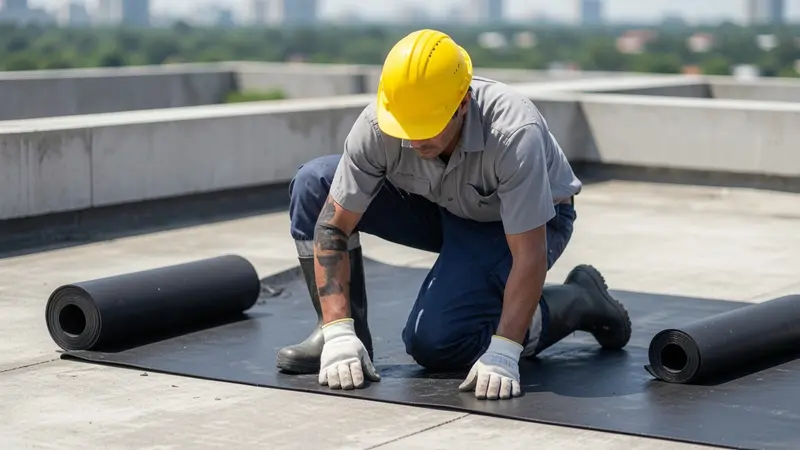
A minor roof leak can quickly develop into a serious problem, which is why commercial roof repair remains a common concern for property owners responsible for flat and low-slope buildings. Many roofing failures result from a few repeated causes, and identifying these issues early can help prevent costly damage and unexpected repair expenses. Before arranging a commercial roof repair service, it is important to understand the factors that contribute to roof problems and the most effective ways to address them, whether the building has a single-ply membrane system or metal roofing.
In this guide, we will explore:
- The primary causes of commercial roof leaks and structural damage
- How poor drainage and standing water contribute to ongoing roofing issues
- Effective solutions for common commercial roofing challenges
- Key factors to consider when choosing between repairs and roof replacement
- Frequently asked questions property owners have before starting repair work
Why Commercial Roofs Develop Problems Over Time
Commercial roofing systems, especially flat and low-slope designs, face unique challenges because they cannot remove water as quickly as steep residential roofs. Instead, they rely on carefully designed drainage systems, including drains, scuppers, and built-in slopes, to direct water away from the surface. TPO roofing membranes have become a popular choice for low-slope buildings because they offer a strong combination of durability, affordability, and performance. However, even high-quality roofing materials require proper installation and effective drainage to maintain long-term reliability.
When drainage components fail or water remains trapped on the roof, moisture can eventually find weak areas and cause damage. This is why choosing an experienced roofing contractor is just as important as selecting the right roofing material. Skilled professionals help ensure the system functions correctly and prevent small issues from developing into major problems.
Buildings throughout Memphis, Tennessee, and nearby areas experience challenges from frequent rainfall, high humidity, and occasional severe weather events. These conditions can place additional pressure on roofing materials and drainage systems. That is why regular maintenance and professional roofing services play an important role in protecting commercial properties and extending roof performance.
How Minor Roofing Issues Develop Into Major Repairs
Most commercial roof problems begin with small warning signs rather than sudden failures. Issues such as separated seams, damaged flashing, or blocked drainage systems can create opportunities for water to enter the building. If these concerns remain untreated, moisture can gradually affect insulation, roof decking, and interior areas, transforming a simple repair into a more extensive and expensive project.
8 Common Causes of Commercial Roof Repair
Many commercial roofing repairs result from a few repeated problems. Identifying these issues early allows property owners to take action before damage increases and repair expenses become more significant.
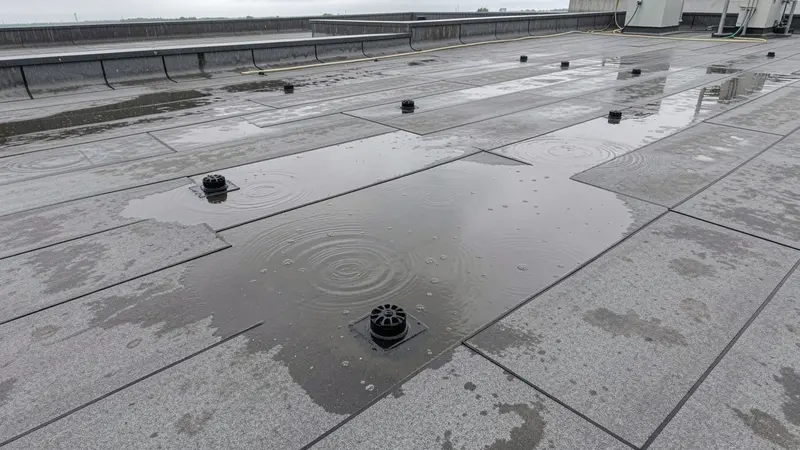
1. Ponding Water
Ponding water occurs when rainwater remains on a flat or low-slope roof for more than 48 hours after a storm. This issue is one of the leading causes of commercial roof damage. Over time, standing water can weaken roofing membranes, place additional pressure on the roof structure, and encourage the growth of algae and other biological materials.
- Membrane deterioration: Continuous exposure to standing water can speed up membrane wear and reduce the roof’s overall lifespan.
- Added structural pressure: Accumulated water increases the load placed on the roof deck, potentially creating long-term stress on the structure.
- Algae and mold development: Moist conditions provide an ideal environment for algae, mold, and other growth that can damage the roofing surface.
2. Flashing Problems
Flashing plays a crucial role in protecting the areas where a commercial roof connects with features such as vents, HVAC equipment, and parapet walls. Because these areas experience frequent exposure to weather and movement, flashing often becomes one of the first components to develop issues. Over time, it can weaken, separate, or develop cracks, allowing moisture to find a way into the building.
- Temperature-related movement: Regular expansion and contraction caused by changing temperatures can gradually weaken flashing connections and reduce their effectiveness.
- Sealant deterioration: Constant exposure to sunlight and weather conditions can break down protective sealants, creating openings where water can enter.
- Roof penetration risks: Features such as pipes, vents, and HVAC systems create potential weak points if flashing around them is damaged or not properly maintained.
3. Membrane Damage and Punctures
Roof membrane punctures often occur due to regular maintenance activity, accidental impacts, and severe weather conditions. Maintenance teams walking across the roof, tools being dropped, or debris from storms can damage the protective surface. Even a minor puncture can allow moisture to enter beneath the membrane, where it may remain hidden and cause damage before visible leaks appear inside the building.
- Regular maintenance activity: Repeated foot traffic in the same areas can gradually weaken the membrane and reduce its durability over time.
- Dropped tools and equipment: Items left on the roof during maintenance work can create holes or tears if they come into contact with the membrane surface.
- Storm-related damage: Strong winds, hail, falling branches, and other debris can impact the roof and cause punctures during severe weather events.
4. Blocked Drains and Scuppers
Roof drains and scuppers play an essential role in directing rainwater away from commercial roofing systems. However, these drainage components can only function properly when they remain clean and unobstructed. When leaves, dirt, or other debris accumulate, water can become trapped on the roof surface and create areas of standing water.
- Seasonal debris accumulation: Falling leaves, dust, and wind-carried materials are common causes of blocked drainage openings, especially during seasonal changes.
- Limited drainage performance: Even a partial blockage can reduce water flow and prevent the system from removing rainwater efficiently.
Higher ponding risks: Poor drainage increases the likelihood of standing water, which can contribute to membrane damage and recurring roofing problems.
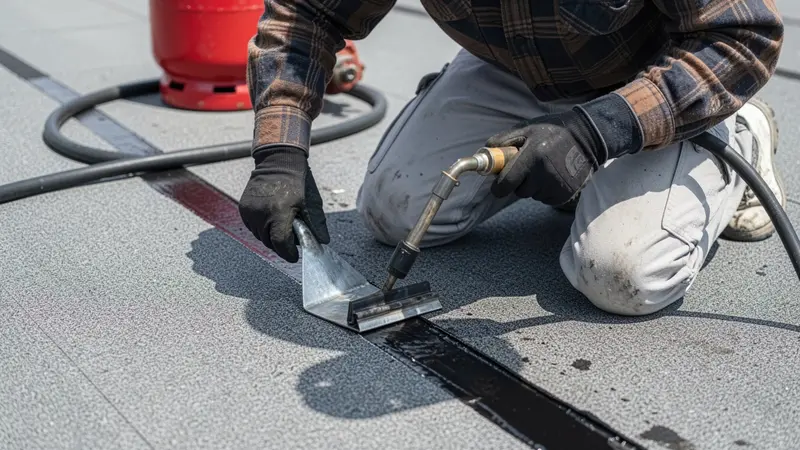
5. Aging Sealants
Sealants provide protection around many roof penetrations, including HVAC systems, pipes, skylights, and other rooftop features. Over time, constant exposure to sunlight, weather conditions, and temperature changes can cause sealants to lose their flexibility. As they dry, shrink, or develop cracks, small openings may form and allow moisture to enter the roofing system.
Sun exposure damage: Continuous UV exposure can weaken sealants and reduce their ability to maintain a strong, watertight seal.
Temperature changes: Frequent cycles of heating and cooling force sealants to expand and contract, which can eventually lead to cracking and separation.
Difficult-to-detect leaks: Problems with sealants often remain unnoticed until moisture has already entered the building and caused visible damage.
6. Improper Installation
Not all roofing problems result from aging or weather exposure. Some failures begin during the initial installation process and may remain unnoticed until years later. Mistakes in sealing, flashing, or quality control can create weaknesses that eventually lead to leaks and costly repairs.
-
Poor seam application: Seams that installers do not properly weld, seal, or secure can gradually separate and allow moisture to enter the roofing system.
-
Incorrect flashing installation: Flashing that does not follow manufacturer guidelines may lose effectiveness sooner and create vulnerable areas around roof penetrations.
Lack of quality inspections: Roofs that skip proper installation checks may contain hidden issues that appear later as performance problems or water damage.
7. Storm-Related Damage
Severe weather conditions can affect even properly maintained commercial roofing systems. Strong winds, hailstorms, and heavy rainfall often create problems around roof edges, corners, and penetration areas where the structure experiences greater stress. Among all roofing issues, storm damage is one of the most immediate causes that can require professional repair.
Wind-related stress: Powerful winds can lift membrane sections, loosen fasteners, or weaken roof connections, especially on older systems that have experienced years of exposure.
Hail impact damage: Hail can create dents, cracks, or punctures in roofing membranes, and some damage may remain hidden until a closer inspection takes place.
Heavy rainfall issues: Intense storms can produce more water than drainage systems can manage, increasing the risk of leaks, pooling, and moisture-related problems.
8. Roof Age
As commercial roofing systems reach the later stages of their expected lifespan, their materials naturally begin to weaken. Over time, membranes can lose their flexibility and become more likely to develop cracks, shrinkage, or splits. An older roof also becomes more susceptible to many other issues, making its age an important factor when deciding between repairs and replacement.
- Loss of flexibility: Aging roofing membranes often become harder and less resilient, increasing the chance of cracking when exposed to stress or movement.
Multiple developing problems: Older roofs frequently experience several issues at the same time, which can make individual repairs less effective in the long run. - Lower repair value: Continued maintenance may become increasingly expensive as a roof ages, and replacement may eventually provide a more practical long-term solution.
Practical Solutions for Common Commercial Roofing Problems
Many commercial roofing issues can be effectively managed with targeted repairs when professionals identify them early. The most important step is choosing a solution that addresses the specific cause of the damage instead of relying on a general approach. A successful commercial roof repair process typically involves a detailed inspection, accurate evaluation, proper repairs, and final quality checks to ensure the problem has been fully resolved.
-
Fixing ponding water: Installing additional drainage systems, tapered insulation, or roof crickets can help improve water flow and prevent recurring areas of standing water.
-
Repairing flashing and sealants: Replacing worn flashing and renewing seals around roof penetrations helps block common pathways where moisture can enter.
-
Repairing membrane damage: Small tears or punctures in roofing membranes can often be repaired through patching or welding techniques without replacing the entire system.
-
Maintaining drainage systems: Regular cleaning of drains and scuppers removes debris buildup and reduces the likelihood of water-related roofing problems.
-
Using roof coatings: Protective coatings can increase roof longevity by sealing minor surface flaws and improving reflective performance. Acrylic coatings are especially useful for roofs that remain structurally strong but show early signs of aging because they help protect against UV exposure and weather damage.
A proactive maintenance strategy that includes routine inspections and timely repairs can greatly reduce the need for emergency roofing services. Additionally, proper upkeep helps maintain energy efficiency by allowing reflective roofing materials to continue performing effectively.
Repair vs. Replacement: Making the Right Choice
Not every commercial roofing issue requires a complete roof replacement. The best option depends on several factors, including the roof’s current age, the level of damage, and the condition of the insulation and decking underneath. Most commercial roofing systems can last between 20 and 30 years, depending on the materials used and environmental conditions. With proper care and routine maintenance, many roofs can continue performing beyond their expected lifespan. Therefore, preventive maintenance remains one of the smartest investments a property owner can make.
| Factor | Repair May Be the Better Choice | Replacement May Be Necessary |
|---|---|---|
| Roof Age | Roof is less than 15 years old | Roof is approaching or exceeding its expected lifespan |
| Damage Level | Problems are limited to specific areas | Damage affects large sections of the roofing system |
| Insulation Condition | Insulation remains dry and stable | Insulation is damaged, wet, or no longer effective |
| Repair History | Repairs are occasional and successful | Frequent repairs continue in the same locations |
Common FAQs About Commercial Roof Repair
Property owners often have similar questions when they notice roofing problems. Below are some of the most common concerns and answers.
How can I tell whether my roof needs repairs or a complete replacement?
Small, isolated leaks on a roof that remains in good overall condition usually require repairs. However, widespread damage, moisture-filled insulation, or a roof nearing the end of its service life may indicate that replacement is the more practical solution.
How soon should a commercial roof leak receive attention?
A roof leak should receive repairs as quickly as possible. Even minor water intrusion can damage insulation, ceilings, and interior areas. Delaying repairs often allows the problem to grow and increases overall repair costs.
Can standing water problems be corrected without replacing the entire roof?
In many situations, yes. Solutions such as improving drainage, adding tapered insulation, or installing roof crickets can help redirect water and reduce ponding without requiring a full roof replacement.
Does insurance usually pay for commercial roof repairs?
Coverage depends on the source of the damage. Insurance policies often cover issues caused by events such as storms, while problems related to normal aging or poor maintenance may not qualify. A professional roof inspection can provide documentation to support an insurance claim when necessary.
How frequently should commercial roofs receive inspections?
Many roofing professionals recommend inspections at least twice each year, typically during spring and fall. Additional inspections after severe weather events can also help identify damage before it becomes a major problem.
Advanced Solutions: Reliable Commercial Roof Repair Services
Identifying roofing problems early is one of the most effective ways to reduce repair expenses and prevent interruptions to business operations. Advanced Solutions helps property owners across Texas, Missouri, Kentucky, Tennessee, and Georgia address roofing concerns with dependable inspections and professional repair services.
The team focuses on providing clear recommendations based on actual roof conditions, whether the solution involves a minor repair, protective roof coating, or a complete commercial roofing installation using modern materials and techniques.
Whether you are experiencing ongoing leaks, storm-related damage, or simply need an expert evaluation, Advanced Solutions offers extensive industry experience to help protect your commercial property and maintain long-term roof performance.