
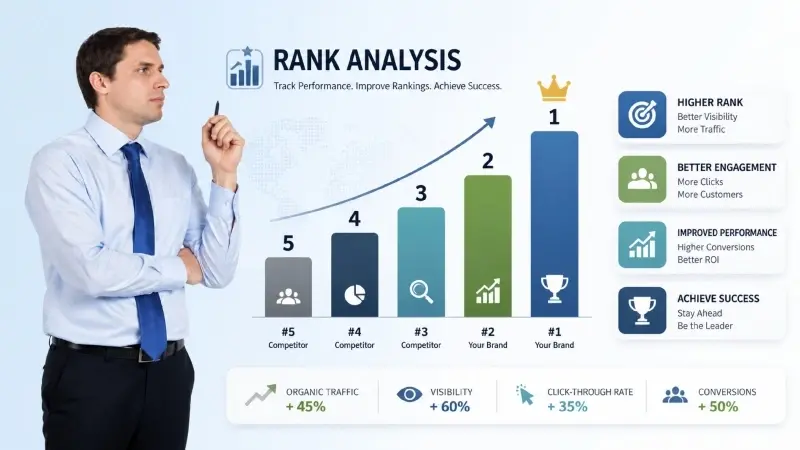
Modern organizations face growing challenges when it comes to turning raw data into meaningful insights. In addition, businesses that effectively use newsletters from shopnaclo strategies often gain a strong advantage over their competitors. This guide explores practical methods to help unlock valuable business intelligence and support long-term, sustainable growth.
Understanding Business Insights Fundamentals
Business insights refer to meaningful knowledge that creates value and helps organizations improve their processes or outcomes. Unlike basic data analysis, these insights go a step further by offering practical information that can guide strategic decision-making. Companies use such insights to predict market trends, improve efficiency, and strengthen their competitive edge.
Moreover, generating valuable insights requires a structured approach that blends data analysis skills, business understanding, and modern technology. Organizations that adopt well-rounded insight strategies gain a clear advantage over those that depend only on guesswork or instinct-driven decisions.
Table of Contents
ToggleStrategic Importance of Business Intelligence
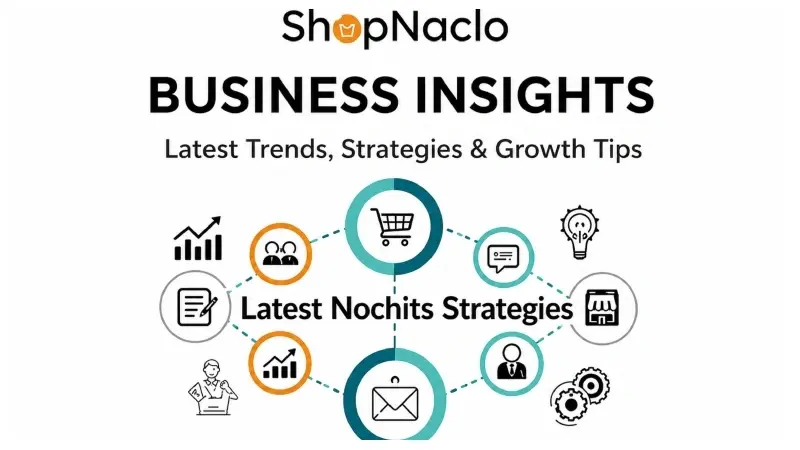
Today’s businesses rely on data-backed decision-making instead of outdated analytical approaches. As a result, organizations that apply business insight shopnaclo methods are able to transform large amounts of data into meaningful competitive advantages. These strategies help companies better understand customer demands while improving overall operational performance.
For example, manufacturing companies review production data to identify delays, bottlenecks, and operational inefficiencies. This type of analysis highlights key areas that need improvement, helps allocate resources more effectively, and increases overall productivity. As a result, insights gained from this process lead to reduced costs, better quality control, and higher customer satisfaction.
In the same way, marketing teams use insights from customer behavior to create more focused and effective campaigns. Sales teams rely on market intelligence to discover new opportunities and improve their approach to different customer segments. Meanwhile, operations teams enhance efficiency by refining processes based on performance data, and executives make well-informed strategic decisions using in-depth market analysis.
Core Components of Effective Systems
Effective business insight initiatives depend on several essential components working together smoothly. The first step is data collection and integration, which involves gathering information from various sources such as internal systems, external databases, customer interactions, and market research. This data must then be cleaned, standardized, and combined to build a strong and reliable foundation for analysis.
Second, analytical capability includes both advanced tools and the expertise of people needed to find meaningful patterns within complex data. Modern systems rely on powerful analytics techniques such as predictive modeling, machine learning algorithms, and statistical methods to identify hidden connections and predict future trends.
Third, visualization and communication play a key role in presenting insights in a way that is easy for decision-makers across the organization to understand. Effective visualization tools convert complex data analysis into simple, clear, and meaningful visuals that support better understanding. This helps create strong narratives that encourage action and ensure strategic goals are properly aligned.
Developing Essential Business Skills
Developing business insight is essentially a skill that professionals can continuously improve over time. As a result, evaluating a candidate’s ability in this area is very important when making hiring decisions, especially for analytical and strategic positions. Companies should look for individuals who show strong analytical thinking, good understanding of business concepts, and effective communication skills.
Third, improving communication and storytelling abilities helps professionals present their findings clearly and effectively to stakeholders, which supports better decision-making. Being able to turn complex data analysis into simple, practical recommendations is what distinguishes highly effective experts from those who only create reports and dashboards without driving real impact.
Proven Methods to Improve Insights
Organizations that want to strengthen their insight capabilities should concentrate on a few key strategic areas. First, they need to set clear goals and objectives for their insight initiatives. Without properly defined goals, even advanced analytical work may not produce useful results. Companies should clearly identify the business questions they want to answer, the decisions that need support, and the outcomes they expect from their insight activities.
Understanding what keeps customers engaged is another important area for improvement. Analyzing customer behavior helps uncover useful patterns related to buying decisions, product choices, brand loyalty, and the factors that influence satisfaction. These insights can then be used to guide product development, shape marketing strategies, set pricing, and enhance customer service.
Never ignoring small details is one of the most important principles in effective insight work. Even minor changes in data patterns, slight shifts in customer behavior, or small variations in market conditions can sometimes indicate significant opportunities or risks. Successful insight professionals train themselves to carefully analyze data and stay attentive to unusual results that might initially seem like random anomalies.
Implementation Strategies for Programs
Effective implementation of business insight shopnaclo initiatives requires detailed planning and a structured approach. Organizations should first evaluate their existing analytical capabilities, data systems, and overall business requirements. This evaluation helps identify gaps in skills and technology, highlights areas for improvement, and determines the most important priorities for investment.
Next, organizations create structured roadmaps to build their insight capabilities in line with business goals and available resources. These plans outline clear milestones, required resources, and key performance indicators to monitor progress and measure the value delivered over time.
Measuring Business Impact Effectively
Key performance indicators include improvements in operational efficiency, increases in revenue or profitability, higher customer satisfaction levels, reduced operational costs, and shorter time-to-market for new products or services. In addition, organizations should monitor leading indicators such as how often insight-based recommendations are adopted, the speed of decision-making, and the overall quality of strategic planning processes.
Regular assessment and improvement of insight processes help organizations achieve continuous growth and adjust to evolving business needs. Companies should also create feedback systems that allow users of insights to share their experiences and recommend enhancements to analytical methods and communication practices.
Future Trends and Opportunities
The field of business insights is changing quickly due to ongoing advances in technology, evolving business models, and increasing customer expectations. Artificial intelligence and machine learning are now being widely integrated into business insight platforms, allowing for more advanced data analysis and even automated generation of insights.
Real-time analytics capabilities are becoming more common, enabling organizations to react quickly to changing situations and emerging opportunities. At the same time, the integration of external data sources such as social media, economic indicators, and industry benchmarks is enriching business analysis by providing broader and more meaningful context.
As businesses increasingly rely on data-driven approaches, the need for skilled business insight professionals is steadily rising. This trend opens up opportunities for individuals to build specialized skills, while also enabling organizations to strengthen their competitive position by developing more advanced insight capabilities.
Advanced Analytics Applications
Modern organizations use advanced analytics techniques to gain deeper insights from their data. Machine learning models can detect complex patterns that are often overlooked by traditional analysis methods. In addition, predictive analytics allows businesses to anticipate future trends and develop appropriate strategic actions in advance.
Additionally, prescriptive analytics provide clear recommendations for actions based on the results of data analysis. These suggestions assist decision-makers in selecting the most effective strategies from different available options. Natural language processing also helps extract valuable insights from unstructured data such as customer reviews, social media content, and internal company communications.
Furthermore, real-time analytics allow organizations to respond instantly to changing business conditions. Companies continuously track key performance indicators and can automatically trigger actions when certain limits or thresholds are reached. This capability is especially useful in fast-paced industries where quick timing can greatly influence results and outcomes.
Industry-Specific Applications
Various industries use business insights in different ways to solve challenges specific to their sectors. For example, retail businesses study customer buying behavior to improve inventory control and create more personalized marketing strategies. Similarly, healthcare organizations apply data-driven insights to enhance patient care outcomes while also lowering operational expenses.
Manufacturing companies use predictive maintenance systems powered by sensor data and machine learning techniques to prevent equipment failures. Financial institutions rely on advanced analytical models to identify fraudulent activities and evaluate credit risk more accurately. Meanwhile, technology companies study user behavior data to refine product features and deliver better user experiences.
Building Organizational Capabilities
Effective insight programs depend on strong organizational structures and a supportive culture. Commitment from leadership is crucial for securing the required resources and encouraging adoption throughout the organization. In addition, companies need to invest in both advanced technology systems and the development of their workforce to ensure long-term success.
Training programs support employees in building analytical abilities and learning how to use insights in their everyday tasks. Change management efforts help organizations shift smoothly toward more data-driven operations. In addition, effective communication strategies ensure that stakeholders clearly understand the importance of insights and are motivated to actively take part in insight initiatives.
Additionally, governance frameworks set clear standards for data quality, analytical approaches, and the sharing of insights. These structures help maintain consistency and reliability across various insight initiatives while also ensuring proper control and oversight are in place.
Conclusion
Business insight shopnaclo is a powerful method for turning data into a strategic advantage. Organizations that successfully implement complete insight programs are better positioned to make informed decisions, adapt to market changes, and achieve stronger performance results. Achieving success depends on combining the right technology, skilled professionals, and well-structured processes to build long-term capabilities for producing actionable insights from complex data systems.
As the business environment continues to evolve, the importance of data-driven decision-making will keep growing. Organizations that invest in strong business insight capabilities today will be better prepared to succeed in an increasingly competitive future. By applying the principles and practices discussed in this guide, businesses can fully utilize their data and turn information into a long-term competitive advantage
For more info visit Shopnaclos